Some of the links in this story are affiliate links, which means we may earn a commission if you choose to purchase—helping us continue to share mindful, inspiring content.
Lately it feels like everyone is talking about ultra processed foods. Suddenly people are reading ingredient labels again, debating protein bars on TikTok, side eyeing oat milk ingredients, and wondering if their “healthy” snacks are actually doing what they think they are.
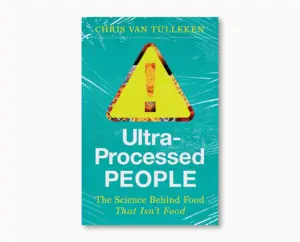
So we finally read Ultra Processed People by Chris van Tulleken to understand what the conversation was really about.
The book looks at how modern foods are created, marketed, and engineered to keep us coming back for more, but what makes it compelling is that it’s not just about obvious fast food or candy. A lot of the focus is on the products many wellness minded people buy every single day: protein products, packaged snacks, meal replacements, flavored yogurts, low sugar alternatives, and foods marketed as “better for you.”
Reading it didn’t make us want to throw away everything in our kitchen and start living off homemade lentil soup. But it did make us think more critically about how disconnected modern eating has become from actual nourishment and why so many convenience foods leave people feeling strangely unsatisfied.
Five things from the book that really stuck with us.
+ Some Foods Are Literally Designed to Make You Want More
You know when you open a bag of chips planning to have a few and somehow look down twenty minutes later wondering where the rest went? Or when you eat a protein bar that tastes exactly like dessert but still find yourself hungry not long after?
The book explains that a lot of this is intentional.
Many ultra processed foods are engineered to hit a very specific combination of salt, sugar, fat, texture, and flavor that makes them extremely easy to keep eating. Researchers often call these foods “hyperpalatable,” but in real life it basically means foods that are hard to put down once you start.
And once you start noticing it, you see it everywhere. Snacks that dissolve almost instantly. Foods that barely require chewing. Products that somehow leave you craving more instead of feeling satisfied.
The book doesn’t frame this as a personal failure or a lack of discipline. If anything, it argues that modern food companies have become incredibly skilled at designing products our brains are wired to want more of.
+ Wellness Marketing Has Made Grocery Shopping Weirdly Confusing
One of the most interesting parts of the book is how much it overlaps with wellness culture.
Because a product can now be:
+ high protein
+ low sugar
+ keto friendly
+ plant based
+ packed with adaptogens
+ gut health focused
. . . and still be heavily processed.
That was probably one of the biggest reminders while reading this book: wellness branding and nourishment are not always the same thing.
We live in a time where ice cream brands market themselves like supplements, cereals advertise protein content, and every snack seems to promise energy, focus, collagen support, or better digestion. Sometimes the branding is so good you forget to actually look at what’s inside the product.
The takeaway wasn’t that packaged foods are automatically bad. It was more about learning to look beyond the front label and pay attention to ingredient lists, additives, and how foods actually make you feel after eating them.
+ Convenience Changed the Way We Eat More Than We Realize
This section of the book felt a little too relatable.
Modern food is designed around convenience first. Portable meals. Shelf stable snacks. Things you can eat quickly between meetings, in the car, while answering emails, or scrolling your phone.
Which is also exactly how many people eat now.
Lunch at the computer. A smoothie instead of breakfast. Random snacks turning into dinner because you’re too tired to cook. Eating while distracted has become so normal most people barely think about it anymore.
The book makes the point that when eating becomes disconnected from preparation, routine, or even sitting down for a real meal, it also becomes easier to lose touch with hunger and fullness cues.
Not in a dramatic way. Just in the very modern way where people constantly feel snacky, tired, unsatisfied, or unsure what they actually want to eat.
+ Texture Matters More Than We Thought
This was one of the oddly fascinating parts of the book that immediately made sense once we read it.
A lot of ultra processed foods are designed to be extremely easy to eat. Crunchy snacks that shatter instantly. Puffs that dissolve in seconds. Soft foods that require almost no chewing.
Compare that to eating something like roasted potatoes, apples, steak, lentils, or vegetables. Whole foods naturally slow you down a bit.
And honestly, this explained a lot.
Why you can accidentally finish an entire bag of snacks while watching television but feel full halfway through a real meal. Why smoothies sometimes feel less satisfying than actually sitting down and eating breakfast. Why certain snack foods seem to disappear before your brain fully registers you ate them.
It’s one of those details that sounds small until you realize how much texture shapes the eating experience.
+ The Goal Probably Isn’t “Perfect” Eating
Thankfully, the book doesn’t leave you feeling like every food in your kitchen is toxic.
If anything, one of the strongest takeaways is that perfection is probably not realistic or even necessary.
Most people are still going to buy convenience foods sometimes. Real life exists. Busy schedules exist. Travel exists. Exhaustion exists.
But the book does make a compelling case for becoming more aware of how much modern food has been engineered around profit, convenience, shelf life, and repeat consumption rather than nourishment.
For us, the biggest takeaway was less about restriction and more about awareness:
+ cooking more when possible
+ eating more whole foods
+ paying attention to ingredients
+ noticing which foods actually keep you full and energized
+ remembering that wellness marketing is still marketing
Because at the end of the day, Ultra Processed People isn’t really convincing people to fear food. It’s asking people to think more critically about the way modern eating has evolved and why so many people feel simultaneously overfed and undernourished at the same time.
The post 5 Things We Learned From Ultra Processed People by Chris van Tulleken appeared first on The Chalkboard Mag.
from The Chalkboard Mag https://ift.tt/UfHQz9S
via IFTTT

No comments:
Post a Comment