
For something that shapes how we start every day, the alarm clock is surprisingly unquestioned. Most of us fall asleep with our phones nearby and wake up to a jarring sound that pulls us straight into stress and stimulation. It feels normal, but it might be working against us.
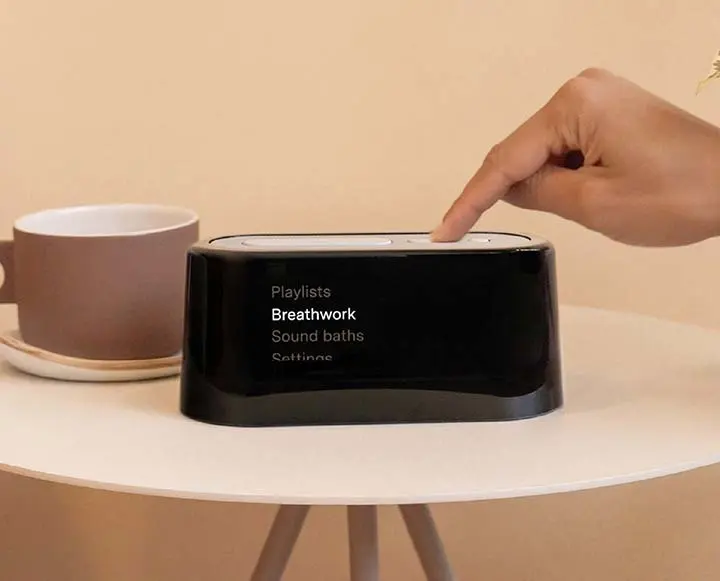
The team behind the Loftie Clock, led by founder Matthew Hassett, set out to rethink that moment. Designed as a phone-free alternative for your nightstand, it replaces abrupt wake-ups and late-night scrolling with something more intentional, from gentler alarms to built-in sound experiences that support better sleep.
We spoke with Loftie’s sleep advisor, Dr. Amit Shetty, and Hassett to break down what’s actually happening in the body when we wake up and why a softer, more natural approach might make all the difference.
What actually happens in the body when we wake up to a loud, abrupt alarm?
Dr. Amit Shetty, Sleep Advisor:
When you wake up to a loud, abrupt alarm your body transitions to a fight or flight state which is normally activated during times of stress or danger. Activation of this state by the sympathetic nervous system leads to an increase in your blood pressure and heart rate and causes the release of cortisol and catecholamines which are stress hormones. Subsequently, this can result in sleep inertia which is a period of impaired cognition and grogginess that can last for minutes to hours depending on what stage of sleep was disrupted.
How does a harsh wake-up affect cortisol levels and stress throughout the day?
Dr. Amit Shetty:
A harsh wakeup triggered by a loud alarm can stimulate an immediate stress response resulting in a surge of cortisol release.
What is a more natural way to wake the body up, biologically speaking?
Dr. Amit Shetty:
The most natural way to wake the body up is through gradual light exposure mimicking sunrise. This allows the body to prepare for awakening before consciousness occurs.
Why is the concept of a “two-phase alarm” more aligned with how we’re meant to wake?
Dr. Amit Shetty:
Waking up from a two-phase alarm allows for a more natural and less abrupt awakening. A gentle, initial stimulus can help shift a sleeper from a deeper to a lighter stage of sleep prior to a second stronger stimulus. This helps prevent sleep inertia which is a period characterized by sleepiness and poor cognitive performance.
What did you feel was broken about the way most people wake up today that made you want to create Loftie?
Matthew Hassett, Founder of Loftie:
The alarm clock hasn't been meaningfully rethought in decades and in the meantime, the phone replaced it entirely. So now the last thing most people see before they close their eyes and the first thing they reach for when they open them is a device designed to capture their attention indefinitely. Nine out of ten Americans use a screen in the hour before bed. And we've all just accepted that as normal. Loftie started with a simple question: what if the thing on your nightstand actually helped you sleep instead of working against you? The Loftie Clock replaces every reason you think you need your phone at night , alarm, white noise, sounds to fall asleep to without the infinite scroll, the notifications, or the blue light.
Most people don’t question how they wake up. What made you realize that the traditional alarm clock might actually be working against us?
Matthew Hassett:
Thoreau wrote that he went to the woods to live deliberately and that idea is literally where Loftie comes from. Our company started as 'Deliberate Digital' and our app is called Deliberate. I became obsessed with the moments in our day that we've stopped being intentional about, and the wake-up is the biggest one. A University of Virginia study found that waking up to an alarm causes a morning blood pressure surge 74% higher than waking up naturally. Other research from RMIT University shows that harsh, beeping alarms actually increase grogginess compared to gentler, melodic sounds — the opposite of what most people assume. Your body doesn't want to be jolted out of sleep. It wants to be eased out. That's why we designed the Loftie Clock with a two-phase alarm: a soft first tone that brings you to light sleep, followed by a slightly louder second tone that completes the wake-up. It works with your biology instead of against it.
If you’re rethinking how you wake up, this is a simple place to start. Shop the Loftie Clock.
The post Sleep Experts Say Your Alarm Clock Might Be Ruining Your Sleep. Here’s What to Do Instead appeared first on The Chalkboard Mag.
from The Chalkboard Mag https://ift.tt/RCOjlru
via IFTTT

No comments:
Post a Comment