Monday, April 22, 2019

Body As Garden or Machine: The Difference Between Western + Eastern Medicine?

There is ancient wisdom in Eastern medicine. We dream of a day in the not too distant future where patients will be able to access both the best of Eastern and Western medicine in the same hospitals and doctor’s offices - both philosophies have a lot to offer.

Rooted in thousands of years of empirical observation and natural treatments, there is much to be gained from Eastern medicine, most notably, the wellness philosophies of Traditional Chinese Medicine and Ayurveda.

The classic graphic above elegantly informs on some of the major differences between Eastern and Western medical philosophy. Western medicine tends to treat the body as a machine -- the body made up of separate parts and dysfunction targeted and treated as it arises. Eastern medicine treats the body as a garden, working from the idea that all elements of our being are interconnected and can pathologically influence each other. Eastern medicine addresses the body as a unified and self-regulating ecosystem that is directly affected by its surrounding environment and needs to be nurtured as a whole.

WEST: Body As A Machine | The Western outlook of medicine is a war-on-disease, with doctors as general, disease as the enemy, patient as occupied territory. The goal is to eradicate the symptoms and maximize performance. Health is defined as an absence of disease and functioning within normative parameters.

EAST: Body As A Garden | The Eastern outlook of medicine is to cultivate health with a doctor and patient in partnership to improve ecological conditions. The goal is to enhance self-regulatory capacity. Health is defined as integrity, adaptability, and continuity.

In an ideal world, there must be a greater convergence of the two philosophies -- the rising popularity of integrative medicine makes it more accessible in modern life.

In reality, it's up to us to learn to take care of ourselves. Treatment costs aside, we have the modern privilege to access the modalities and philosophies behind both —- if we’ll take the time to learn. Use the info below to dive deeper into Eastern medicine and guide your own self-care practices...

The Core Principles of TCM | Traditional Chinese Medicine approaches health in a uniquely holistic way, enabling us to reach a level of vibrancy like no other. Whether it’s helped you heal or you’re just curious, the philosophy this ancient practice is built upon can be applied throughout our lives. Discovering the core pillars of this philosophy opens up a whole world of healing opportunities. LEARN MORE

The Philosophy Of Ayurveda | Ayurveda addresses imbalances by defining each person's mind-body type. These 'doshas' help guides individualized healing that considers integrated wellbeing of mind, body, and spirit. LEARN MORE

Focus on The Mind-Body Connection | Ayurveda, which means the knowledge of life, has achieved a buzzy reputation in recent years, but it’s been on the scene for centuries. Profoundly holistic, with an emphasis on intuition and mind-body connection, this adaptive approach to wellness focuses on the link between mind and body -- and is built to be trend-proof. LEARN MORE

The Body Has Innate Intelligence | We each embody an energetic force that powers our aliveness. In Traditional Chinese Medicine, that life force energy is called qi. When our qi is in balance, we feel vibrantly unburdened — wellness at its best — but modern life has a way of interrupting that natural equilibrium. That’s why it’s essential to learn how to balance qi. Learn how to identify an imbalance and to elevate your energy to its peak potential. LEARN MORE

Self-Care As Daily Medicine | Acupuncture. Herbs. Yoga. Meditation. Integrating these simple, traditional practices into our modern lives can n reap major benefits. From gut care to skincare, discover a few fascinating self-care rituals inspired by Traditional Chinese medicine that’ll help you achieve a vibrancy that flows from the inside and out. LEARN MORE

Acupuncture Has Serious Benefits | If you’ve never experienced the benefits of acupuncture, the idea of getting poked with needles to relax might sound like a joke. But committing to routine acupuncture appointments is actually a very easy, low maintenance habit that can help to heal pain and fight chronic stress. LEARN MORE

Herbs Can Heal | Like Ayurveda, Chinese herbalism is an ancient philosophy with many layers. We’re had great success with Chinese herbs for a variety of wellness and beauty needs. For an introduction to the herbs themselves, we love this simple guide from Jess Ng, founder of Asian-inspired apothecary Reorient who sees the herbs as a gentle on-going way to keep the body in balance through life’s ups and downs. LEARN MORE

The post Body As Garden or Machine: The Difference Between Western + Eastern Medicine? appeared first on The Chalkboard.


from The Chalkboard http://bit.ly/2VZNAKm
via IFTTT

7 Things To Know About California’s New Law That Could Change the Beauty Industry

California is cleaning up the beauty industry -- or at least attempting to. Certain CA lawmakers are working to pass the Toxic-Free Cosmetics Act, which would prohibit 20 known carcinogens, endocrine disruptors, and other toxic ingredients for use in cosmetics in the state of California. The bill is a welcome step in the right direction for the beauty industry as a whole.

Dr. Sarah Villafranco, a longtime advocate of clean beauty, physician and founder of clean skincare brand Osmia, has been watching the Toxic-Free Cosmetics Act closely and what it might mean for brands far and wide. California is a huge market, what happens here could have a ripple effect that continues to spread.

Refresh yourself on the importance of clean beauty ingredients here, then dive in...

What To Know About The Toxic Free Cosmetics Act

It’s great news. Perhaps it should have happened a long time ago, but it is still progress — especially when things that should have been law become the law.

It's all about the bills. The Toxic Free Cosmetics Act (TFCA) is an assembly bill that would amend the California Health and Safety Code as it pertains to cosmetics. It differs from the California Safe Cosmetics Act, which was signed into law in 2005, in that it actively bans a specific subset of ingredients on the Prop 65 list rather than only requiring companies to report those ingredients. The TFCA also allows for enhanced investigation of cosmetic products and referral to the Department of Justice if a cosmetic is found to be adulterated.

And human health. The TFCA only considers human health. It does not consider the effects of our cosmetic ingredients on animal or planetary health. Not found on the toxic twenty list are ethoxylated ingredients (think sodium laureth sulfate, polysorbates, PEGs and phenoxyethanol), which releases 1,4-dioxane. This chemical harms aquatic species and contaminates groundwater supplies. This is not a criticism of the TFCA, only a reminder that just because a cosmetic does not contain one of the ingredients highlighted in the act doesn't mean it’s completely safe for you or the ecosystem we inhabit.

But do your homework. The TFCA does not mean you get a hall pass. There are plenty of cosmetic companies who will find loopholes and detours to work around TFCA if it passes. Additionally, there are some products that may contain ingredients on the Prop 65 list, but in concentrations or formats that do not present as a concern. Your best bet as a consumer? Get to know your brands. Seek out mission-based companies who are authentic and transparent, and don’t be afraid to ask questions to help understand their choices and ethics.

has it passed? The TFCA hasn’t passed yet. There is a committee hearing on April 23rd, and a majority vote is required for the act to pass. So cross your fingers and be ready with a glass of organic sparkling wine or kombucha when the committee casts their ballots.

how long will it take? As of 2015, the California Safe Cosmetics Program had two full-time staff members. Even if the act passes, it will take years to implement and execute — another reason to buy only from brands you love and trust.

Now tell me the ingredients. The Toxic Free Cosmetics Act (TFCA) defines a cosmetic as adulterated if it contains any of the following ingredients:

Dibutyl phthalate
Diethylhexyl phthalate
Formaldehyde
Formeldehyde releasers
Mercury + related compounds
Isobutylparaben
Isopropylparaben
Butylparaben
Propylparaben
Toluene
Triclosan
Carbon black
Per-and Polyfluoroalkyl substances (PFAS)
Asbestos
Lead + related compounds

This is good for the wellness movement for several reasons. Ingredients like parabens and triclosan are ubiquitous, and having them banned in California will make companies who use them reconsider in a hurry. Having these ingredients on another black list brings increased credibility to the medical evidence we’ve seen for years — they are seriously harmful to human health.

The post 7 Things To Know About California’s New Law That Could Change the Beauty Industry appeared first on The Chalkboard.


from The Chalkboard http://bit.ly/2DqHFXs
via IFTTT

Podcasts We Love: What The Food Babe Thinks You Should Know

Food advocate Vani Hari has made a mission out of pushing for greater transparency and responsibility in the American food industry. Vani started blogging as the Food Babe in 2011 and has since used her platform and passion as a vehicle for some impressive changes in food.

The activist and New York Times bestselling author -- whose new book Feeding You Lies dropped earlier this year -- has helped transform the practices (and recipes) of massive corporations like Kraft, Subway and Chick-fil-A. According to Vani, she's also become the target of industry giants who want to quiet her voice.

Vani's goal is to hold companies accountable for some of the controversial chemicals found in many commercial food items, and to educate the public at large about how to sort through information overwhelm and make smart decisions for long-term health. She recently appeared on an episode of Dr. Mark Hyman's Broken Brain Podcast and dropped an eye-opening load of truth that everyone should hear...

The Pod: Broken Brain Podcast #42: Uncovering The Food Industry’s Lies and Reclaiming Your Health with Vani Hari

The Message: In this episode, Vani digs deep into the dark practices of certain food brands and just how far they’ll go to silence activists like herself. The truth about food industry ingredients and practices are sometimes hard to come by and that lack of transparency often benefits brands more  than consumers.

Vani reveals the personal health journey that stoked her passion for food advocacy, walks us through her personal experience as the target of food brands possibly threatened by her work, and how she continues advocate for consumers when it comes to food safety and transparency.

Why We Loved It: Vani makes compelling arguments for what's wrong with our modern food industry. She also offers actionable ways to shop smarter. What we love about her message is that it's not all doom and gloom -- her advice for how to stay positive, and how to make healthy choices in the face of info overwhelm is inspiring.

Vani encourages listeners to look beyond the headlines, find trustworthy information resources (she loves NRDC, EWG, and The Center for Science and Public Interest) and to make sure we know who is delivering the information we're being fed (and who is funding the messages).

She also offers three simple questions we can ask ourselves before every meal to transform our health:

What are the ingredients?
Are the ingredients nutritious?
Where do the ingredients come from?

Sound simple? We challenge you to answer those three questions about your dinner tonight!

Love this podcast recommendation? Discover more of our favorite pods here.

The post Podcasts We Love: What The Food Babe Thinks You Should Know appeared first on The Chalkboard.


from The Chalkboard http://bit.ly/2VZNzGi
via IFTTT

Friday, April 19, 2019

High Vibe: Understanding The Emotional + Energetic Effects of Cannabis

  • Herbalism is an art based on the understanding that plants have power. At the end of the day, cannabis is an herb and its energetic properties aren't just about the buzz ingesting it can bring on. As more and more of us are starting to consume cannabis-based products, it's important to learn how we can be affected on all levels. We asked NYC-based herbalist Adriana Ayales of Anima Mundi Apothecary to break down the emotional, spiritual and energetic qualities of cannabis.

Cannabis is one of the most resilient plants known to humans. It is said that cannabis may have been mankind’s first cultivated plant. This highly revered plant has been cultivated for at least ten thousand years. There is no way to know what it was used for: food, fiber or as a visionary plant. Every component of this plant has been praised across ancient texts for its medicinal values — the seeds of the masculine plant are a highly nutritious food source, as well as commonly processed for its rich oil. The herb has been used as a medicament for a variety of ills since antiquity. And even the roots (along with the leaves) have been applied as a poultice to improve articulations, joints and arthritic-like imbalances.

The energetics of plants, and anything within our reality for that matter, are highly dependent on its treatment and life cycle. Plants that are grown in highly toxic ways and treated poorly will emanate this frequency to whomever is consuming it. This goes for everything — the food we eat, water we drink, herbs we consume, soil in which they grow and beyond. Not onlyshaping our inner energetic constructs, but also directly affecting our emotional, physical and mental realities. For example, our limbic system, also known as our emotional center, is directly impacted by the mere stress caused by digesting toxic residue within foods (such as heavy metals). Not only will the energy body be afflicted due to the poor energy source, but the HPA axis (stress management center) and limbic system suffer just from the digestive stress itself. We are what we eat is nothing short from a proverbial reality.
What Are The Emotional Effects Of Cannabis?People feel that cannabis separates you from your feelings, as it can dissociate the thinking mind to the feeling mind, which may be very beneficial to those who know how to do this by meditating. For others it might be the opposite, the mind becomes flooded with paranoia, creating discomfort in the emotional body.

For those that resonate with the feelings that cannabis is positive, it can be a helpful tool for treating physical pain, a temporary bandaid for emotional trauma and trauma in general, and is shown to be beneficial to those with PTSD (depending on the level of severity). It is vital to know that it exalts the current emotional mind, so much so, that it can bring up a lot of unwanted darkness (but, again, depending on the state of life that you're in).
What Are The Psycho-Spiritual Effects Of Cannabis?The medicinal powers of cannabis were recorded around 2800 BC by the great plant-doctor Shen-Nung. Shen-Nun was a great master Daoist medicine. He recognized the cannabis medicine as superior for those seeking immortality. At the same time, he warned against overindulgence, stating that taking cannabis in excess caused one to see devils, within and without. Overuse was also known to increase the engagement of the user to his or her own darkness, enabling, as stated by Shen-Nung, “a loss of power to one’s darkness.”

Before the recreational use of cannabis flooded today’s world, it was often used as a tool for spiritual awakening, ceremony and meditation amongst many traditions around the world. Cannabis was, and is, considered an amplifier: intensifying things internally and externally, from the mindful intention it’s paired with, to a negative state of mind. Many consider cannabis to be an advanced spiritual medicine, that raises the vibration, helping one to channel one’s own authentic energy unburdened from the attachment to the mind and mental constructs.
What About The Overuse Of Cannabis?On the other hand, many traditions speak on the darkness caused by the overuse of cannabis. Like Shen-Nung, the great alchemist, refers to those so lost in their lunar medicines that the sun no longer shines from their eyes. Respected shamans and energy healers have said that it can be a detriment to the aura, create issues of fluidity in the emotional-spirit body and over-engage negative and downward spiraling realities. Amongst many curanderos, like ayahuasqueros, cannabis is strictly prohibited in the dieta, the days (or weeks) before plant ceremonies, to cleanse the spirit body from distraction. Shamans and other healers believe that cannabis can be much like a conduit, opening channels of energy within the body that might not be so helpful — except again, unless you know how you're conducting your psyche within the experience.
 How Do I Determine Cannabis Dosage?This is where many believe that its experience is often broadcasting the current weather, yet, this concept in itself can be a slippery slope, as a number of factors can influence the experience of cannabis. The high of cannabis heavily relies on frequency of use, dosage, strain, the current state of mind and specific setting and intention. There is no on-size-fits-all answer to this as it varies from person to person, and it all boils down to intention, connection, respect and reverence. If you want to use it as a spiritual ally, the less frequent use the better because of the tolerance effect that happens when you're using it all the time. The frequency and dosage of use is key to reaping the spiritual benefits of medicinal plants.

The optimal dosage is one where you can handle it in calm presence. If you find your mind getting out of control, or physical symptoms like dizziness or nausea, then you’ve exceeded your optimal dose. With the high THC products around these days, shatters and dabs included, one moderate toke for someone who does not do it all the time can be very powerful. Oftentimes when someone has trouble with cannabis, it’s because they’ve done more than they can handle.

What Are The Warning Signs Of Cannabis Overuse? 

WHITE-OUT | Overdoing cannabis can cause an effect on blood sugar levels. Regular drops in blood sugar levels may lead to weakness or sickness. This sensation is typically known as a white-out, due to the dramatic paleness that can be seen. Many inexperienced users might feel this a bit more dramatic, while more seasoned users tend to cope with this ongoing feeling, sometimes leading to hypoglycemia.

CONCENTRATION | One of the most common side effects is the inability to concentrate for long periods of time. Research shows that overtime it might lead to brain fog and loss of short term memory.

MOOD SWINGS | The emotional roller coaster is another common side effect experienced by regular users. It can cause serious mood swings especially after use wares off. Also for chronic smokers, mood swings might worsen after a day or so of use or a few hours after the peak experience. The rise and fall of blood sugar levels can also trigger mood swings naturally, contributing to mood imbalances.

PARANOIA | Anxiety, nervousness and paranoia can be a common side effect to some users. Although the severity definitely decreases as tolerance increases, some people might find these symptoms to become chronic and increasingly problematic. Research indeed suggests that cannabis can indeed help those with serious anxiety or depression, or those suffering with excessively low self-esteem, however THC dose have a part to play in heightening those emotions.

PSYCHOSIS | Heavy use of cannabis can lead to extreme social anxiety, panic attacks, a state of confusion, indecisiveness and even delusions. These symptoms disappear after not consuming cannabis for some time. People predisposed to psychosis or psychotic breakouts or panic attacks should handle with care as its not always a medicine to those in need of a solution.

What About Toxic Manufacturing + Sourcing?

The unfortunate side effects of highly toxic cannabis farming, large and small, is a major downfall of how we experience the plant. The excessive use of toxic agents to yield a stronger, better and more efficient crop has made it dangerous, causing users to experience a plethora of side effects that don't necessary come from the plant. AP News recently reported that nine out of ten farms raided in California in 2018 contained traces of powerful and potentially lethal pesticides that are poisoning wildlife and could even endanger water supplies. Know your farmer and only support the cleanest, most organic and least genetically modified plant — it’ll certainly be a more medicinal source with the least side effects.

Found something interesting here? Take it to our new private Facebook group to discuss in depth with our community!

The Chalkboard Mag and its materials are not intended to treat, diagnose, cure or prevent any disease. All material on The Chalkboard Mag is provided for educational purposes only. Always seek the advice of your physician or another qualified healthcare provider for any questions you have regarding a medical condition, and before undertaking any diet, exercise or other health related program. 

The post High Vibe: Understanding The Emotional + Energetic Effects of Cannabis appeared first on The Chalkboard.


from The Chalkboard http://bit.ly/2Iw9cL8
via IFTTT

Are These Fresh Floral Rings The New Flower Crowns?

Need an activity for your bestie's bachelorette? Flower crowns. Headed to Coachella with the crew and in the mood to be extra? Flower crowns. Your cousins baby shower? Same. Same.

We were delighted (and dare we say relieved) when we saw this gorgeous new idea from florist, Topiaire Flower Shop in Southampton, New York.

Topiarie’s hand-crafted rings are made with tiny flowers from hardy plants such as kalanchoe and succulent rosettes. Think mini-corsages, but cuter. Floral rings stand ready to steal the you-know-what from flower crowns with Coachella goers and bridesmaids everywhere.

Here's how to make the tiny wearable accessories according to Topiaire's founder, Erin Meaney...

diy fresh Flower Rings Pick Your Plant | Select tiny flowers from a hardy plant such as a kalanchoe (succulent rosettes are also great to combine with kalanchoes ).

Put A Ring On It | Anchor a plain metal ring on your pointer finger, placing florist glue at the center of the ring. Be generous.

Load Up The Blooms | Place tiny flowers around the edge of the ring first, creating the sides and base of the ring with flowers. Once you have filled around the edges, place a flower or two at the center ( you may have to add a little glue to the center and also at the base of flower stems).

FIll In Spaces | Once you have the center glued in, fill in any gaps with pieces of flowers (for instance a hyacinth bud taken off the stem) and tuck between previously placed flowers!

Let The Ring Rest | Set aside to let everything bind together for at least an hour. Keep refrigerated until ready to wear!

fresh Flower Rings

Discover a few more gorgeous fresh floral DIY projects here.

The post Are These Fresh Floral Rings The New Flower Crowns? appeared first on The Chalkboard.


from The Chalkboard http://bit.ly/2Dn8qw1
via IFTTT

Thursday, April 18, 2019

Put Down The Ranch: Learn To Make A Healthy Dressing To Use On All The Things

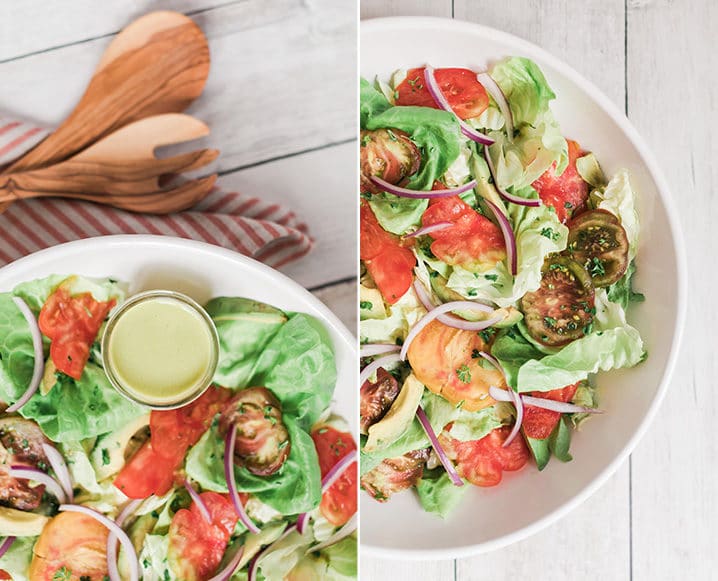
Simplicity is bliss, but drowning a beautiful salad in questionable bottled salad dressing is a shame. Instead, think of using salad dressing to add tons of nutrition to an already nutrient-dense healthy vinaigrette recipe like one from LA-based integrative nutritionist Jennie Miremadi.

All you need is one versatile recipe like this creamy cashew-based vinaigrette recipe packed with fresh herbs (don't underestimate the power of herbs!) and coconut aminos (a staple you should definitely keep on hand in place of soy sauce!). Here's the recipe...

bibb lettuce salad with healthy vinaigrette recipe

The post Put Down The Ranch: Learn To Make A Healthy Dressing To Use On All The Things appeared first on The Chalkboard.


from The Chalkboard http://bit.ly/2KOHc7z
via IFTTT

Wild Nettle + Goat Cheese Olive Oil Tartlets From A Tea Party In Sonoma

We live for a gorgeous farm affair. Alicia Lund, founder of our outdoorsy obsession, Barebones, recently joined friend, Kevin O’Connor, the chef at large for Cobram Estate olive oil, to create a stunning Sonoma tea party. The lunch took place at the home of Sarah Anderson, founder of Chateau Sonoma - an impossibly stylish online source for gardening, cooking, and camping tools.

Sarah used linens and ceramics from her home store and tulip tree trimmings from her yard to accent the table. In addition to the lunch, Sarah demonstrated tips for preserving lemons freshly harvested from her trees.

Olive Oil Tartlets kitchen in sonoma

"We quarter the lemons lengthwise while making sure they’re still intact at the base leaving them opened up a little before tossing with ample salt and packing into canning jars. You can’t really add too much salt. Some people like to season it a little with peppercorns or a bay leaf to add their own flair. They're great for dressings or adding tanginess to a recipe."

Olive Oil Tartlets with nettles and goat cheese

Kevin, a visionary urban farmer based in Sacramento with a love for foraging, cooked a menu highlighting extra virgin olive oil in dishes such including first-of-the-season strawberries with watercress and spring onions, blood orange honeycomb cake, and wild nettle and goat cheese olive oil tartlets -- we're sharing the tart recipe below! Yes -- brace yourself -- there is a lot of cheese, but life needs room for wholesome indulgence.

Take a peek inside the dreamy gathering and keep an eye out for more recipes from the gathering on the site soon...Olive Oil Tartlets preserved meyer lemons

The post Wild Nettle + Goat Cheese Olive Oil Tartlets From A Tea Party In Sonoma appeared first on The Chalkboard.


from The Chalkboard http://bit.ly/2V8MApY
via IFTTT