Thursday, January 29, 2026

In Conversation: What Human Design Reveals About Energy, Timing, and Trust

Most of us have had the experience of doing everything “right” and still feeling tired, stuck, or out of sync. We work hard, stay busy, meet expectations, and yet quietly wonder why it all feels more draining than it should. Human Design offers a different way of understanding that disconnect, not by telling us what to fix, but by helping us see how we are actually designed to move through life in the first place.

In conversation with Amy Lea, a Human Design and Astrology expert with a background in business and leadership, we explore Human Design as a practical framework for understanding energy, timing, and trust. Rather than a system to follow or a label to adopt, it becomes a way of learning how to listen to yourself more clearly and stop working against your own rhythm.

Finding Language for Burnout
Amy’s path into this work did not begin with a dramatic career pivot or spiritual turning point. It began with burnout. In her late twenties, she was working in administration and HR within the fashion industry, outwardly successful but internally exhausted. “From the outside, things looked fine,” she shares, “but internally, I was struggling to sustain the pace and pressure of my work and couldn’t understand why it felt so difficult for me.”

Astrology entered her life first, studied out of curiosity rather than ambition. “It wasn’t a career move,” she explains. “It was something I did for myself during a time when I needed more meaning and perspective.” As she completed those studies, she was introduced to Human Design, and the impact was immediate. “Learning my own design was a turning point. It gave me language for why I felt different and helped me understand my energy, decision making, and natural rhythm in a way nothing else had.”

What began as self exploration naturally expanded. Friends began asking questions, informal conversations turned into readings, and over time her background in business and leadership blended seamlessly with Human Design and Astrology. “They’re not just tools I use,” Amy explains. “They’re frameworks I live by. They support people in understanding themselves more clearly and creating lives and work that feel sustainable and true.”

Why the Mind Is Not Meant to Run Everything
At the heart of Amy’s work is a shift many people find both grounding and confronting: the idea that the mind is not meant to run our lives. “Human Design helps people understand how they are designed to move through life, make decisions, and use their energy in a way that actually works for them,” she says. “At its core, it’s less about information and more about embodiment.”

While the mind is an extraordinary tool for learning and reflection, Amy explains that it often creates more friction when it becomes the primary decision maker. “When we rely on the mind alone, we slip into overthinking, forcing, and working against ourselves,” she says. Human Design gently redirects authority back into the body, where decision making feels quieter and more reliable. As people begin trusting that internal signal, decisions become simpler and more natural, with less resistance and far more ease.

This is what makes Human Design feel practical rather than abstract. It is not about memorizing your chart or optimizing your life, but about noticing what shifts when you stop overriding yourself and start responding from a place of inner clarity.

Coherence Over Hustle
Amy’s ethos, coherence over hustle, emerged directly from her lived experience. Long before she had language for it, she could feel that pushing harder never produced better results. “It only created fatigue and a sense of disconnection,” she explains. In 2021, the phrase crystallized into words, naming something she had already been living both personally and in her work with clients.

Hustle culture, she observes, often rewards what looks productive on the surface while quietly draining energy beneath it. People stay busy, but progress feels strained and unsatisfying. “Work starts to feel heavy,” she says, “like pushing uphill.” Coherence offers an alternative. When energy, identity, and decision making are aligned, effort becomes focused rather than scattered, and progress feels more natural. It is not about doing less for the sake of it, but about doing what actually works.

Using Astrology Without Giving Away Agency
Astrology and Human Design are frequently misunderstood as predictive systems, something Amy is careful to reframe. Early experiences with fear based astrology made it clear to her that this was not how these tools were meant to be used. “I’ve always been uncomfortable with predictive approaches that remove agency from the individual,” she explains.

In her work, Human Design forms the foundation because it centers self trust and inner authority. Astrology becomes contextual rather than directive. “I use astrology to explore timing, cycles, and seasons,” she says, “not to tell someone what will happen, but to support awareness and choice.” The intention is never certainty, but steadiness. These tools are most powerful when they help people feel resourced enough to meet everyday life with clarity, rather than waiting for something external to happen.

Pressure, Timing, and Letting Yourself Breathe
One of the most immediate shifts Amy sees in clients is how they relate to pressure. Human Design reveals just how sensitive many people are to urgency and stress, often without realizing it. With that awareness, pressure stops feeling like a personal failing and starts to feel like something external that can be met with discernment rather than reaction.

This naturally softens expectations, particularly the ones we place on ourselves. Human Design offers a form of radical self acceptance, showing each person how they are meant to operate, decide, and rest. Astrology reinforces this understanding by reminding us that life unfolds in cycles. There are seasons for momentum and seasons for pause, and learning to honor both can bring a deep sense of peace. Together, these frameworks create space to stop forcing outcomes and start being present with the life already unfolding.

Human Design in Relationships
Amy also sees Human Design as a powerful lens for relationships. Conflict, she explains, often escalates not because of a lack of care, but because people assume the other person processes emotions and decisions in the same way they do. Human Design offers language for those differences, whether that means needing time before responding or finding clarity through conversation.

Rather than trying to change one another, people begin learning how to work with who the other person actually is. This understanding alone can dramatically reduce unnecessary friction, helping relationships feel more grounded, patient, and realistic.

A Small Shift That Changes Everything
For those feeling misaligned, Amy does not recommend drastic change. Instead, she points to one foundational practice: anchoring into Strategy and Authority. “When you begin making even small, everyday decisions from that place,” she says, “life starts to feel less resistant.” Alongside this, she encourages people to notice their Not-Self patterns without judgment. Awareness alone creates space, often becoming the catalyst for deeper alignment over time.

Coming Back to Ease
When Amy needs to reset, she turns to nature. Living in Queensland, Australia, makes this simple. A swim in the ocean, time in the sun, or a slow barefoot walk brings her back into her body and quiets her mind more effectively than anything else.

As her work becomes more visible, what matters most is staying embodied rather than guarded. “What can’t be replicated is lived experience,” she reflects. “All I can really do is follow my authority, make decisions that feel true, and continue creating from that place.”

The intention guiding her life and work right now is ease. Less chasing, more presence, and deeper appreciation for the life she is already living. In a culture that still rewards constant striving, it is a subtle shift, but one that has the power to change everything.

The post In Conversation: What Human Design Reveals About Energy, Timing, and Trust appeared first on The Chalkboard Mag.


from The Chalkboard Mag https://ift.tt/aP2EqgG
via IFTTT

Tuesday, January 27, 2026

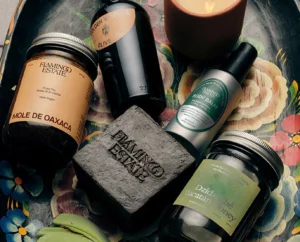
A Love Letter to the Mexican Rainforest, by Flamingo Estate

Flamingo Estate Mexico Rainforest box

Flamingo Estate has always paid close attention to where ingredients come from and the people who have worked with them over time. This season’s box turns that focus toward the Mexican rainforest, drawing from its biodiversity, culinary traditions, and long standing relationship between land and community.

The collection is inspired by the jungles and cloud forests of Mexico and by the knowledge of people who have lived in connection with these ingredients for millennia. Rather than presenting the rainforest as a concept, the box stays close to origin, process, and care.

Why the Mexican Rainforest

This season grew out of Flamingo Estate’s ongoing relationship with Gonzalo Samaranch, who has built a living archive of rare and endangered agriculture in the Yucatán Peninsula. His work focuses on preserving biodiversity through regenerative farming and long term stewardship rather than extraction.

The box reflects that same approach. Each item is connected to ingredients that are being actively protected and cultivated with intention, offering a way to engage with the rainforest through everyday rituals.

Ingredients With History

The Golden Vanilla Olive Oil is infused with rare vanilla beans grown regeneratively in Veracruz, vanilla’s native home. The flavor is warm and floral, closer to vanilla’s original form and far removed from the sweetness it is often associated with today.

The Coffee Soap Brick, blended with organic coffee beans, clove, chocolate clay, and tobacco, feels grounding and familiar. It brings a tactile, earthy quality to a daily routine without asking for much attention.

The Banana Leaf Candle, hand poured into Oaxacan terracotta, introduces a soft green warmth that feels natural in a space. It is subtle and lived in rather than performative.

The Banana Body Balm combines banana, violet leaf, and patchouli into a nourishing formula that leaves skin comfortable and hydrated. It is practical, easy to use, and designed for everyday care.

At the center of the box is Mole Negro, a 24 ingredient preparation based on a family recipe by Blanca Carreño. It reflects the patience and layering behind one of Mexico’s most traditional dishes and brings the collection back to the kitchen.

Dzidzilché Jungle Honey, harvested from Gonzalo’s farm in the Yucatán, is floral and nuanced, shaped by ancient pollinators and careful stewardship. It offers a quiet expression of the landscape it comes from.

Where It Gives Back

Proceeds from the box are shared between the Coalition for Humane Immigrant Rights of Los Angeles, which supports immigrant communities within the food system, and the Mellipona Bee Project, which works to protect endangered stingless bees central to Mayan culture. Shop the Seasonal Box Here.

The post A Love Letter to the Mexican Rainforest, by Flamingo Estate appeared first on The Chalkboard Mag.


from The Chalkboard Mag https://ift.tt/X1Yx6G0
via IFTTT

Monday, January 26, 2026

Migraine-Prone and Stressed? Here’s What Actually Helps

Stress doesn’t always show up as a crisis. Sometimes it looks like a packed calendar, too much screen time, skipped meals, or the feeling that you’re always a step behind. It builds quietly in the background of daily life until your body starts asking for attention in louder ways. Eventually, your body begins firing off warning signals: fatigue, low mood, headaches, irritability, weight changes, and for some people, migraine. This isn’t random. It’s your body’s defense system letting you know something needs to change. Here, we’re diving into why stress and migraines are so closely connected and sharing grounded, supportive ways to care for your nervous system during migraine-prone weeks.

Why Stress and Migraine are Closely Linked 
Stress activates your body’s fight-or-flight system, causing hypervigilance to potential threats. This is great when a bear is chasing you, but being stressed long-term will cause physical and mental breakdown. Because chronic stress requires a high amount of energy, it lowers your tolerance for everyday stressors, such as sensory input, traffic, or relationships. When your brain can no longer tolerate the overwhelming amount of input, it may send you a wake-up call in the form of a migraine attack. Think of it as your body’s way of telling you to take a break. Surprisingly, many people experience migraine attacks on weekends or after times of high stress, known as the let-down effect. This happens because fluctuations in cortisol, your body’s stress hormone, trigger migraine attacks, even if it’s a decrease. 

Supplements That Support the Migraine Brain 
Magnesium, coenzyme Q10 (CoQ10), and riboflavin are trusted, well-researched supplements you can use to decrease migraine frequency and intensity. Typical doses vary, but commonly recommended amounts are 600 mg of magnesium glycinate, 400 mg of riboflavin, and 150 mg of CoQ10. It may take three months of consistency before you feel the full effect. Before you decide to take any new supplements, talk with your doctor and do research. 

These three help people with migraine because:  

+ Magnesium: supports relaxation, mentally and physically. It’s best to take it before bed. 

+ Riboflavin (vitamin B2): supports mitochondrial energy production. When your cells are supported, your body and brain function more efficiently. 

+ CoQ10: supports mitochondrial health and reduces oxidative stress (often higher in migraineurs) 

Before purchasing any supplement, check that the ingredients are clean and third-party verified. Look for a certification label on the bottle: NSF, USP, BSCG, or InformedSport. Supplements aren’t well-regulated, so third-party verification is crucial to prove authenticity and safety. 

Lifestyle Foundations Matter
The daily choices you make, from the food you eat to the places you go, play a major role in migraine management. 

To reduce the risk of migraine attacks: 

+ Eat and hydrate regularly: Water and blood sugar regulation are important for a healthy brain. Becoming dehydrated and skipping meals, especially protein at breakfast, is a recipe for disaster.

+ Protect your senses: Always keep sunglasses, earplugs, a brimmed hat, or peppermint essential oil with you, depending on your sensory needs. Dimming lights, using tinted glasses, and green-light therapy at home are also valuable options. Please remember: you can leave any environment that has the potential to trigger a migraine attack. 

+ Commit to a sleep schedule: Find a time you can commit to going to bed and waking up, even on weekends, to lower the risk of facing the let-down effect. 

Stress-Reduction During Migraine-Prone Weeks 
While you’re adjusting your lifestyle to support your brain, you can practice stress-reducing techniques. Breathwork techniques vary, but the goal is to exhale for a longer duration than you inhale. For example, if you inhale for four seconds, breathe out for six. This signals safety to your nervous system. Create intentional, sensory-safe areas in your home to calm and regulate your nervous system. Include low lighting, comfy clothes, warm drinks, and anything that feels peaceful. Bonus points if you can do this at your workplace!

Grounding practices help you feel present and regulate your nervous system. Walking outside barefoot, naming five sensory things around you, and splashing cold water on your face are all ways to ground yourself in the moment. Gentle movement is also calming and grounding. A slow nature walk, gently rocking, stretching, and yoga can all shift your energy, build emotional resilience, and create a sense of safety. 

Supporting Recovery, Not Just Prevention 
Migraine care doesn’t end when the headache ends. A migraine hangover can last for three days after an attack. Honor your limits, especially on these days. Keep in mind that subtle migraine symptoms may begin days before a full attack. Healthy, daily habits can make migraine management bearable. Keep an easy-to-see migraine list that includes helpful reminders like: drink a glass of water, stretch, use lamp lighting, or take five deep breaths. Add anything that helps your recovery. Managing stress, lifestyle factors, supplements, and prescribed medications may feel overwhelming. With consistency, it becomes a part of who you are, and your body will thank you with less pain. Progress comes from patience, not perfection. 

Contributing Author
Olivia Orr is a registered nurse and health writer who blends clinical experience with lived insight to write about migraine, nutrition, and whole body wellness. Her work focuses on helping readers understand their bodies with clarity and self trust.

Sources 

Stress and Migraine - How to Cope | American Migraine Foundation
Is there a causal relationship between stress and migraine? Current evidence and implications for management | The Journal of Headache and Pain
Migraine “Let Down" Headache | American Migraine Foundation
Improvement of migraine symptoms with a proprietary supplement containing riboflavin, magnesium and Q10: a randomized, placebo-controlled, double-blind, multicenter trial - PMC
Lifestyle Modifications for Migraine Management - PMCFrontiers | Lifestyle Modifications for Migraine Management
Effectiveness of Mindfulness Meditation vs Headache Education for Adults With Migraine: A Randomized Clinical Trial - PubMed 
Migraine management: Non-pharmacological points for patients and health care professionals - PMC
Yoga-based breathing and relaxation as adjunctive therapy for chronic migraine: A randomized controlled trial on clinical outcomes and autonomic regulation - ScienceDirect

The post Migraine-Prone and Stressed? Here’s What Actually Helps appeared first on The Chalkboard Mag.


from The Chalkboard Mag https://ift.tt/wvjBiS4
via IFTTT

Wednesday, January 21, 2026

Living Well with Lauren Ireland and Marianna Hewitt: Co-founders Summer Fridays

Before Summer Fridays became a skincare staple, it started the same way many good things do with listening, curiosity, and real connection.

Co founders Marianna Hewitt and Lauren Ireland came from the early influencer days, back when building community meant answering DMs, paying attention to what people were actually confused about, and noticing what made someone feel good using a product. That mindset became the foundation of Summer Fridays and still guides everything they create.

In this Living Well conversation, Marianna and Lauren open up about building a brand alongside a friendship, why Jet Lag Mask struck a chord, and how simplicity, trust, and a little more ease have shaped their approach to beauty and success today.

Living Well with  Lauren Ireland and Marianna Hewitt 

Both of you came from the influencer world long before it was a career path. How did that experience shape the way you think about community and connection? Summer Fridays was built with our community long before it became a brand. Coming from the early influencer world taught us to listen and gave us an understanding in how people actually talk about products, what they are confused about, and what makes them feel excited about a product. That experience shaped everything from our approachability and sense of ease, to our focus on making products that simplify routines rather than overwhelm them. 

You launched with one product that became a cult favorite overnight. What did the Jet Lag Mask teach you about what people were really craving from their routines? Jet Lag showed us that people wanted quick results and multiuse products. They wanted skincare that worked but also felt comforting, intuitive and easy. It was not about a 12 step routine. It was about one product that could fit into any moment and make your skin look instantly better. Jet Lag taught us that beauty can be both effective and gentle. It also taught us the power of visual storytelling. The packaging needed to reflect who we are as a brand and be photogenic and shareable, which came directly from our creator backgrounds.

Running a brand together is so unique. How has your friendship evolved through building a business? We have grown in parallel as founders and as friends. Building a business together requires an incredible amount of trust and shared respect. We have learned the importance of communication and how to support each other through every season of the brand and our personal lives. We both always want what is best for the brand and being aligned on that from the beginning has been essential.

What have you learned about rest, burnout, and resilience that you wish more founders understood earlier? In the early years it required some sacrifice, but we knew that was not sustainable. As the company has grown, we have been able to delegate more and build an incredible team who brings the brand to life every day. As founders it can be difficult to learn how to let go, but true scale only happens when you grow not only the business but the people within it. Rest and resilience come from trusting your team, creating space for yourself to think clearly and recognizing that a great team is how a business can truly thrive.

What is something most people do not realize about how long it takes to perfect a formula from idea to launch? People see a beautiful product on the shelf, but they do not see the years of formulating, testing, and development behind it. We have an incredible product development and packaging team at Summer Fridays who help bring our vision to life. A formula can take 18 months, sometimes two or three years, to reach the exact experience and performance we want. Our formulations and every ingredient must meet our standards for safety, stability and efficacy. The final product is the result of hundreds of small decisions that no one ever sees, but those decisions are what make it special.

Over 60 percent of beauty brands seem to chase quantity. More products, more SKUs. But Summer Fridays stays relatively curated. What guides your decisions when you consider new products? We don’t launch anything unless it has a clear reason for being part of our brand. We always ask if this makes someone’s routine easier or better. We are very intentional about our long term vision of building a brand with longevity. Curating our assortment helps our community trust us because they know every product has a purpose.

Has there been a product that took significantly longer to perfect because you would not compromise on something? Everything! But especially skincare and lip care products. These are pillars of Summer Fridays, so anything added to these categories must deliver on our promise. We are particularly focused on texture, instant results, long term results and overall experience. If it is not perfect, we don’t launch it.

If someone said build me a Summer Fridays starter kit, what three products would you put in it and why? Jet Lag Mask and Moisturizer because it is our philosophy in a tube. It hydrates, soothes and instantly refreshes the skin. The entire Jet Lag collection also has the National Eczema Seal of Acceptance.

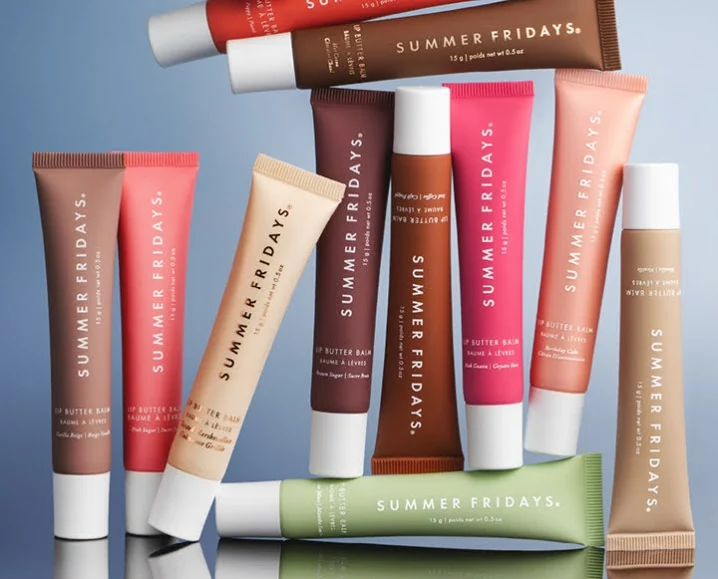
Lip Butter Balm because it is our cult classic for a reason. It is the perfect everyday luxury and our community’s favorite product.

ShadeDrops SPF because every routine starts with protection. This milky mineral formula feels like a serum and wears beautifully under makeup.

What is one product in the line that represents your personal philosophy on beauty better than anything else? Jet Lag Mask and Moisturizer. It is gentle, effective and designed to make you feel your best with very little effort. It embodies our belief that beauty should enhance your life, not complicate it. The entire Jet Lag collection is calming, soothing and hydrating and has the National Eczema Seal of Acceptance.

What is the product in your lineup that does not always get the spotlight but absolutely deserves more love? Gentle Reset Daily Exfoliating Pads. They are one of our newer launches and the response so far has been incredible. They provide gentle daily exfoliation with AHA and PHA while still being soothing and hydrating. They help smooth skin texture, refine tone and create the perfect canvas for the rest of your routine and especially makeup. We hope more people make them part of their everyday routine!

Outside of Summer Fridays, what are the beauty or lifestyle products you find yourself recommending to friends the most? Marianna: I am always recommending my 8 Sleep mattress, I do everything I can to have the best sleep and it has been a game changer for me. I wish I could travel with it! 

Lauren: I thrive on routine and love having magnesium tea (moonjuice is one of my favorites) and warm mint tea before bed to calm my mind and body down. I also love my bala bangles. I wrap them around my ankles and wrists daily as a way to weave in self-care and strength into my daily life at home or while on walks with my kids. 

What’s the one beauty tool or device that actually makes a difference for you? Marianna: Red light therapy has been a game changer for me and I’ve used it for years for my face, body and hair. I recently got a vibrating plate and I love standing on it for a few minutes, especially post travel.

Lauren: I spend a lot of time on flights and in the car, so I regularly use a vibrating plate at night to improve circulation and help with muscle recovery. This is also great post-running. I regularly use my theragun for this same reason.

I also love hot yoga classes that use infrared red light panels and notice what a difference this makes for my skin and body (and glow!!)  I also love an LED face mask as an in-bed ritual just before bed. 

Which podcasts or books do you turn to when you need inspiration, clarity, or just a good grounding conversation? Marianna: I use the Activations and Open apps almost everyday. Activations has affirmations and meditations, I love them especially on walks. I sweat by breathwork and I really like the ones I listen to on the Open app. For books, Atomic Habits is one I revisit often and has been really effective in helping me build new habits or maintain the ones that are important to me. Reflective.

Lauren: I also regularly use the Activations and Open apps, and these have been favorites of ours for years now! I personally love how I can play a motivating message for even just a few minutes that completely shifts the tone of my day — words are powerful! 

I also find myself going back to reading The Creative Act: A Way of Being. It reminds us of the power we have to create with meaning, and how inspiration lives among us always, if we are willing to challenge ourselves to see it and act on it. 

What does success feel like to you now, not in numbers, but in your actual life? Marianna:  Success to me feels like being able to be intentional about what I spend my time doing and building something with longevity. It's feeling passionate and fulfilled by my career, having time in my day for my morning routine or to plan trips with the people I love and really be present for those moments. I feel excited about the work and life I'm creating and that sense of ease and clarity is what success feels like to me.

Lauren: Success to me is noticing the joy within the in-between moments of daily life. To really pause long enough to recognize what a gift it is to go into an office I love with a kind team we’ve so intentionally built. To drop my kids off at school in the morning. To move my body and care for myself. To follow a routine that creates freedom and improves well-being. And to create more goodness through giving and being present for others. Success is feeling free of trying to create a balance among my many roles and to instead find gratitude and calm in the constant changes that come in every season of life. 

The post Living Well with Lauren Ireland and Marianna Hewitt: Co-founders Summer Fridays appeared first on BACAN4D.


from BACAN4D https://ift.tt/jnFtBSM
via IFTTT

Tuesday, January 20, 2026

Top 5 Questions Parents Ask About Kids’ Vitamins, Answered by Pediatrician Dr. Gator

kids vitamins questions

If parenting came with a manual, the section on kids’ vitamins would still be full of footnotes, mixed messages, and at least one heated debate in the comments section. Bright gummies, cartoon characters, sugar posing as fruit flavor. Suddenly, choosing a vitamin feels more complicated than packing a school lunch your kid will actually eat.

That is why we went to someone parents already trust and actively seek out.

Dr. Joel Gator Warsh, widely known as Dr Gator, is a board certified integrative and holistic pediatrician who has become a leading voice in modern parenting and children’s wellness. He is known for bridging the gap between conventional medicine and more natural, lifestyle based approaches, helping parents understand not just what to do, but why it matters for their child.

We have covered Hiya Health’s Kids Daily Multivitamin before for its sugar free formula, rigorous third party testing, and focus on clean, bioavailable nutrients. This conversation builds on that foundation by grounding the topic in a pediatrician’s perspective on what actually matters when choosing a kids’ vitamin.

Here, Dr Gator answers the five questions parents ask most often about kids’ vitamins, with clear, balanced guidance that cuts through the noise and helps families make confident decisions.

Because Every Parent Has Googled at Least One of These

Do kids actually need a daily vitamin if they eat a relatively healthy diet? In an ideal world, nutrients should come from food first. Whole foods provide not just vitamins and minerals, but the fiber and phytonutrients that help the body actually use those nutrients. Children who consistently eat a diverse, nutrient dense diet may not need a daily multivitamin.

That said, population level data show that many children fall short on key nutrients, most commonly vitamin D, iron, and sometimes B vitamins, despite parents believing their diet is “pretty healthy.” In those cases, a daily vitamin can function as a safety net rather than a replacement for real food.

What ingredients should parents be most concerned about in kids’ vitamins today? The biggest concerns are not the vitamins themselves, but the non nutritive ingredients added for taste, color, and shelf life. Artificial dyes, artificial sweeteners, unnecessary preservatives, and low bioavailability nutrient forms are common in children’s vitamins.

Some nutrient forms are poorly absorbed, and others may not be ideal for certain kids. Parents should also be cautious of megadoses that exceed daily needs without a clear reason. Simpler formulas with bioavailable forms and minimal additives are generally preferable.

How much sugar is too much in a kids’ vitamin, and why does it matter? Many children’s vitamins contain added sugar, often several grams per serving, especially gummies. While this may seem small, it becomes meaningful when consumed daily.

Added sugar contributes to dental issues, reinforces a preference for sweet flavors, and adds unnecessary metabolic stress. Since many kids already consume excess sugar from food and beverages, adding more through a supplement offers no benefit. Ideally, children’s vitamins should contain little to no added sugar.

What makes Hiya different from other kids’ multivitamins? When parents ask Dr Gator how to evaluate kids’ vitamins, he often encourages them to look past marketing and focus on how a product is actually formulated.

As he explains, “What stands out about Hiya compared to many conventional children’s vitamins is its lack of added sugar and artificial ingredients, its use of more bioavailable nutrient forms, and its focus on nutrients that commonly fall short in children’s diets.”

That focus shows up in how Hiya is built. Hiya Kids Daily Multivitamin is a chewable, not a gummy, delivering more than 15 essential vitamins and minerals alongside a blend of fruits and vegetables to help fill common nutritional gaps. For many parents, the chewable format matters because gummy vitamins often rely on added sugars, gelatin, and ingredients that contribute to poor oral health.

Dr Gator also points out a broader issue in the category. “Many kids’ vitamins prioritize taste above all else, effectively functioning as candy with vitamins added.” Hiya takes a different approach by focusing on nutrient quality first, aligning with a whole food, preventive health philosophy.

Beyond ingredients, manufacturing standards matter too. Hiya is produced in a cGMP compliant facility and third party tested for heavy metals, allergens, and pathogens, which is especially important for something kids take daily.

How do you help parents think about vitamins as part of everyday health rather than a seasonal fix Vitamins should not be treated as a short term immune boost or a solution used only during cold and flu season. They are meant to support foundational physiology like growth, immune function, and neurodevelopment.

Framing supplements as a daily support tool, similar to sleep, hydration, and nutrition, helps parents use them consistently and realistically. Vitamins should complement a healthy lifestyle, not compensate for its absence.

Why Hiya Daily Multivitamin Makes Sense for Today’s Families

If you are a parent, you already know the gap between how we want kids to eat and how they actually eat. That is where a daily vitamin can be helpful, not as a backup plan, but as quiet support.

Hiya Daily Multivitamin fits into real life in a way that feels thoughtful rather than performative. It is sugar free, cleanly formulated, and third party tested for quality. The chewable format keeps things simple, and the lack of candy-like ingredients helps it stay in the health category rather than the treat category.

For parents who care about ingredients but also care about consistency, Hiya strikes a balance. It supports common nutritional gaps without adding unnecessary noise, and it aligns with the principles Dr Gator emphasized. For parents looking for a straightforward, well made daily multivitamin to use alongside a balanced diet, Hiya is a smart, realistic choice.

A Special Offer for Chalkboard Readers

We have worked out a special deal with Hiya to offer 50 percent off your first order. To claim this deal, you must go to hiyahealth.com/CHALKBOARD or click on the banner below. 

All material on The Chalkboard Mag is provided for educational purposes only. Always seek the advice of your physician or other qualified healthcare provider for any questions you have regarding a medical condition, and before undertaking any diet, exercise or other health-related programs. This story is brought to you in partnership with HIYA. From time to time, TCM editors choose to partner with brands we believe in to bring our readers special offers

The post Top 5 Questions Parents Ask About Kids’ Vitamins, Answered by Pediatrician Dr. Gator appeared first on The Chalkboard.


from The Chalkboard https://ift.tt/jqcCIz9
via IFTTT

Thursday, January 15, 2026

We Tested 4 Science-Backed Ways to Support Hair Growth and Hair Loss

Hair loss was never something I thought I had to worry about.

That changed a few years ago when my hairstylist casually mentioned that my hairline and crown were thinning. At first, I brushed it off. But over time, it became harder to ignore. I found myself styling my hair differently, adjusting parts, paying more attention to lighting, and subtly trying to disguise areas that suddenly felt… exposed.

What people don’t talk about enough is the emotional toll thinning hair takes. It quietly chips away at confidence. It makes you hyper-aware of mirrors and photos. And stress, ironically, only makes it worse.

So I did what most of us do. I went deep. I watched countless videos, read medical journals, spoke with dermatologists and plastic surgeons, and tested everything from devices to topicals to clinical treatments.

After endless trial and error, these are the four science-backed ways to treat hair loss and encourage hair growth that actually made a difference for me. And yes, I tested them.

Red Light Therapy for Hair Growth

We’ve covered red light therapy many times before, especially for skin and body. Last year, we really put it to the test ourselves and it delivered. Better skin tone, faster recovery, and noticeable improvements overall.

So when it came to hair, I wanted to know if red light could actually move the needle or if it was just another wellness trend making the rounds. After diving into the research and talking with dermatologists and plastic surgeons, the answer became pretty clear. Red light therapy can support hair growth, but the details matter.

Hair follicles are extremely energy-dependent. When they are under stress, whether from hormones, inflammation, or reduced circulation, they can shift out of the growth phase and into a resting phase. Red light therapy works by delivering specific wavelengths of light that penetrate the scalp and are absorbed by the mitochondria inside follicle cells, helping support cellular energy production and overall follicle activity.

This is not just anecdotal. Peer-reviewed clinical trials have shown that low-level light therapy can significantly increase hair density and hair count in people with pattern hair loss compared to placebo treatments.

What is especially interesting is how specific the science is around wavelength. Studies show that red light around 650nm can help follicles stay in the growth phase longer, rather than slipping prematurely into rest.

More broadly, research consistently points to red light in the 630 to 660nm range as the most effective window for supporting follicle metabolism, improving scalp circulation, and encouraging healthier hair growth patterns over time.

That is what led us to the BON CHARGE Red Light Cap.

The BON CHARGE Red Light Cap uses 650nm red LED light to deliver consistent, targeted exposure directly to the scalp. It is FDA-cleared and designed for short ten minute sessions, making it realistic to use regularly. And that matters, because meta-analyses of low-level light therapy devices show consistent improvements in hair density in both men and women when used consistently over time.

It also helped that it did not scream hair loss device. I did not feel like I was strapping on some futuristic helmet or committing to a whole thing every time I used it. It just looks like a regular cap, there were even days I threw it on for a quick coffee run and no one gave it a second look.

That ease made a real difference. Red light therapy only works if you actually use it, and this was the first hair growth tool I tested that fit into my life instead of taking it over. 

Hair Loss Medications as a Foundation

This part is not glamorous, but it is important.

Both my dermatologist and physician were clear that for many people, hair loss medications form the foundation of an effective hair growth strategy. Treatments like minoxidil and finasteride are among the most studied options available, particularly for pattern thinning around the hairline and crown.

Minoxidil works as a topical growth treatment that helps extend the hair growth phase, while finasteride targets the hormonal pathway associated with hair loss.These treatments are not for everyone and should always be discussed with a medical professional. But including them in the conversation matters. They often help stabilize hair loss enough for other supportive treatments to actually work.

This is not about choosing wellness over medicine. It is about using the right tools together.

Dermarolling the Scalp

Dermarolling is one of those techniques that sounds intimidating until you understand the science.

Microneedling the scalp has been shown in multiple studies to significantly increase hair growth when done correctly. It helps stimulate circulation and can improve the absorption of topical treatments.The key is technique and hygiene. Once a week is enough. More is not better. The roller should always be clean, and pressure should be gentle.

What is especially interesting is how well dermarolling pairs with red light therapy cap. Microneedling stimulates the scalp mechanically, while red light supports cellular energy and recovery. Used together, they complement each other rather than compete.

Use A Topical Growth Treatment That Actually Deliver

There is no shortage of hair growth serums on the market, and not all of them are worth your time.

One thing that surprised me is how frequently medical experts still recommend Rogaine as a topical growth treatment. It is not flashy, but it is well studied and effective for many people. Another topical we tested and genuinely loved is the exosome hair growth serum by Plated.

We recently attended a talk by Daniel Gould MD, PhD, a plastic surgeon based in Beverly Hills, where he broke down the science behind exosomes in detail. Exosomes support cellular communication through growth factors and signaling molecules, and according to Dr. Gould, this is one of the most effective topical hair treatments he has seen in practice.

When used consistently, exosome serums can support scalp health and follicle signaling, especially when layered with treatments like red light therapy cap.

Why Consistency Is Everything

Hair growth does not happen overnight. There is no miracle product, no one time fix, and no shortcut that bypasses biology. What actually works is consistency, and just as importantly, how well your treatments work together.

One thing I noticed as I stayed consistent is that the BON CHARGE Red Light Cap did not just work on its own. It actually helped amplify the other treatments I was already using. When your scalp environment is healthier and follicles are more active, everything else you are doing has a better chance of working the way it is supposed to.

The Red Light Cap helps support cellular energy and circulation at the follicle level. That means topical treatments can absorb more effectively, the scalp recovers better after dermarolling, and follicles are better positioned to stay in the growth phase longer. Instead of treating hair loss as a series of disconnected steps, it started to feel like a system that was finally working together, that is where the red light cap really earned its place in my routine. It became the anchor that helped maximize the effort I was already putting in, rather than adding another complicated step.

The post We Tested 4 Science-Backed Ways to Support Hair Growth and Hair Loss appeared first on The Chalkboard.


from The Chalkboard https://ift.tt/2cH9TNP
via IFTTT

Wednesday, January 14, 2026

Your Home’s Microbiome Needs Love Too: The New Approach to Cleaning

We talk a lot about gut health and skin health, but rarely about the health of our homes. Yet the products we use to clean our spaces affect everything from air quality to how our bodies feel day to day.

Many “non toxic” cleaners sound reassuring, but behind the labels are vague claims and formulas that either don’t work or rely on harsh chemistry. It often feels like choosing between a clean home and a healthy one.

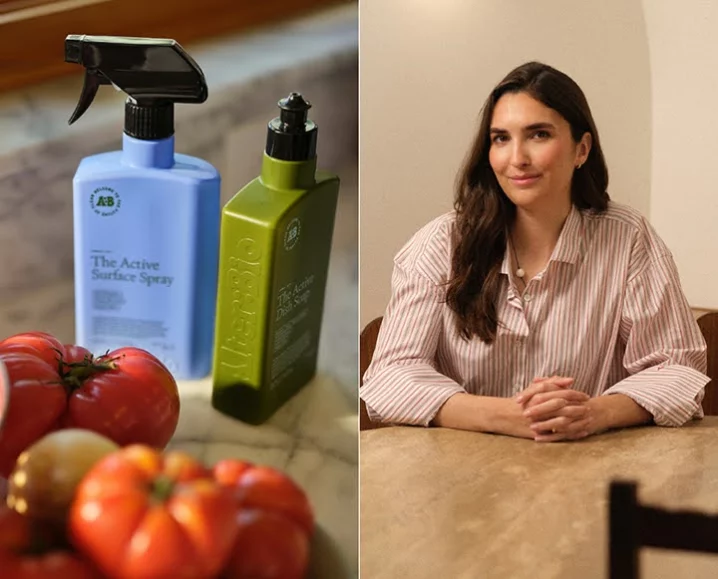
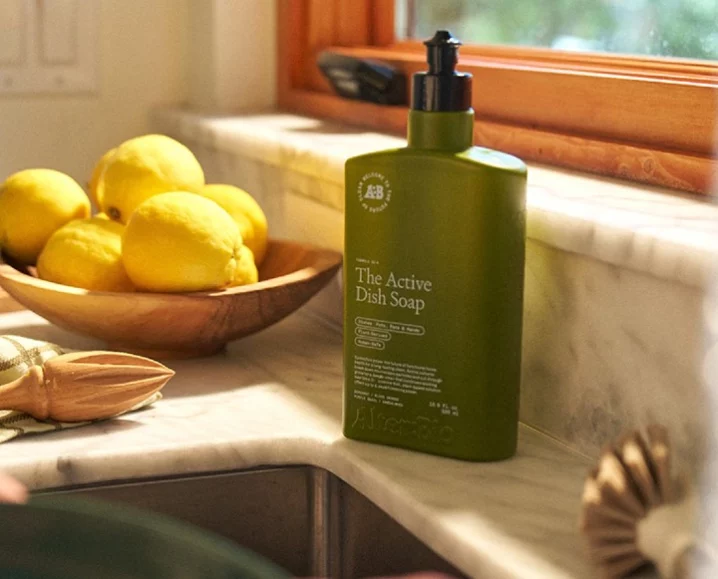
Alter:Bio is reframing that idea entirely, treating the home as a living ecosystem rather than something to sterilize.  We sat down with the founder to talk about healthwashing, antimicrobial resistance, and why your home’s microbiome deserves more attention than it gets.

The New Approach to Cleaning 

Before starting Alter:Bio, what frustrated you most about the cleaning products available, especially the ones marketed as “non toxic”?  For years, I relied on "non-toxic", “green”and "inspired by nature" labels, assuming they were safe. I didn't realize that "healthwashing" was rampant or that terms like "non-toxic" are mostly unregulated, vague, and difficult to prove. My wake-up call was physical—I developed rashes and eczema from exposure to harsh chemicals, heavy fragrances, and hidden plastics I didn't even know I was consuming. Watching family members struggle with similar allergen flare-ups, especially one with terrible asthma, while using products marketed as “non-toxic”, confirmed better solutions needed to exist. "Natural" cleaners were often ineffective, while "effective" ones were toxic. Most "natural" cleaners are ineffective, and the "effective" ones are often toxic. In America, companies can get away with this trade-off. I realized that consumers were being forced to choose between their health and a clean home, and I refused to accept that we couldn't have both. 

You’ve described Alter:Bio as the future of clean. What gap did you see in the American market that nobody else was addressing? The gap was the intersection of true safety and clinical efficacy. Cleaning products have a core function: to clean. Yet, most effective products rely on harsh antimicrobials that contribute to the global crisis of antimicrobial resistance (AMR). On the flip side, my friends who were pregnant or managing asthma had limited or zero doctor-recommended options. I saw a massive need for a "science-first" solution that met strict health standards—inclusive of pregnancy and pet safety—without compromising on performance. No other brand in the US is offering the level of bio-intelligent efficacy that we are, and very few cleaning brands offer human-safe testing or toxicologist-approved pregnancy, child and pet safety. 

Synbiotics are well known in gut health, but almost unheard of in home care. What made you believe this technology belonged in our cleaning routines? While living in Europe, I spent two years searching for a better way and found amazing biotech innovations coming out of Europe. I discovered a Belgium lab that had spent 20 years researching biologicals as a solution to antimicrobial resistance (AMR). Their research focused on using "good" bacteria to outcompete the "bad"—just like in our gut. Traditional cleaners that "kill 99.9% of germs" indiscriminately wipe out the good bacteria we need for a healthy immune system. By applying synbiotic science to our homes—our surfaces, air quality, and dust—we can clean deeper without the chemical health hazards, and keep the wellness of our home intact.

Can you explain how probiotics and prebiotics work together once they land on a surface? What are people not seeing that’s actually happening? The technology is quite fascinating, in a biomimicry way. In the bottle, our probiotics are in a dormant "spore" state, which keeps them stable. The moment you spray them onto a surface, they detect food (dirt, grime, and bad bacteria) and moisture. This "wakes" them up, triggering germination. They become active, vegetative cells that release enzymes to break down dirt and biofilm. Unlike traditional sprays that stop working the second they dry, our synbiotics continue cleaning your surfaces for up to six days after a single spritz. It’s the difference between sterilizing a space and creating a healthy, self-regulating ecosystem.

In your research, what did you learn about how home environments impact our immune system, air quality, or even daily stress? The majority of our time is spent in our home, that is why I wanted to make sure that Alter:Bio was built using the best quality ingredients, many of which are skincare grade level, that we could find - from our synbiotics, to innovative surfactants, and clean scents - to deliver on said performance and safety standards.

Through my research, it was quite disturbing to learn of even neurological effects that have been proven to be impacted by harsh chemicals, found in everyday cleaning products. I met with a prominent Neurologist, Dr. Tesar, of Tesar Labs, Research at Case Western, to better learn about his studies and approach. He explained to me that common household chemicals—specifically quaternary ammonium compounds, which are found in so many cleaning products—can damage brain cells tied to our nerve system. This damage is linked to neurological diseases like Multiple Sclerosis. That’s why I worked tirelessly to find a 100% biodegradable Quat-alternative that delivers the clean without the neurotoxic risk.

I was lucky to meet Dr. Charlotte Goldfine, of Yale School of Medicine, previously Brigham Women’s Health, who is now Alter:Bio’s internal Medical Advisor. After reviewing our multiple lengthy toxicologist reports and dermatological-tested results, she shared, “
This synbiotic cleaning technology utilizes a well-studied combination of probiotic strains and targeted prebiotics to establish a beneficial and resilient surface microbiome. With many years of safe use in hospitals and healthcare settings, and supported by multiple clinical studies, these synbiotics have been validated to perform on par with traditional chemical detergents, while offering significant advantages in terms of safety and sustainability. The probiotics used are non-pathogenic and safe for children and animals, making the product suitable for environments for all populations. Its extended efficacy, lasting several days after application, represents an innovative way to clean that aligns science, health, and safety”

Alter:Bio was researched and designed in Europe to meet stricter standards. What standards mattered most to you and why? Living in Europe, I saw how much my own skin and health improved, largely due to their "Precautionary Principle." The EU bans ingredients if there is even a potential risk of harm. The US, conversely, often allows ingredients until harm is effectively proven after millions of cases. I wanted to bring that stricter European safety standard to the American market. I felt abiding by all of the EU’s regulations was what Alter:Bio had to do, thus all our formulations are based on these stringent standards, ensuring our products are safe for the most vulnerable among us.

What do synbiotics allow you to do that traditional or even plant based cleaners simply cannot achieve? The "hero" difference is time, resulting in cleaning performance. Traditional cleaners stop working the moment they evaporate. Because our formula contains living synbiotics, they continue to release enzymes and "eat" bad bacteria for up to six days - on a microscopic level. Most ‘non-toxic’ marketed products haven’t gone through stringent testing (i.e. ‘human-safe’ or dermatologist-tested), nor offer biotech science in their solutions. You simply cannot get that continuous, microscopic cleaning power from a standard chemical or basic plant-based spray. This is where Alter:Bio stands out among simple healthy formulations. Performance is just as important to us as health. 

What personal values shaped Alter:Bio’s formulation process? Was there a non-negotiable that guided every decision? I believe in purposeful business; we have to be aware of the human and environmental cost of what we create. This holistic view comes from my life outside the office—from managing my family’s regenerative farm in Oklahoma, to my work as a Council Leader with UNICEF NextGen, and investing in women’s health and healthtech. My work needs to be tied to building a healthier world. This bridges into every detail - for example, with our formulas, all ingredients had to be 100% readily biodegradable, as they affect our water streams. With our custom packaging, we chose recycled HDPE plastic over glass because UV light deactivates the synbiotics, and surprisingly, recycled glass can often have a higher carbon footprint and microplastic yield. I work with a 3PL that focuses on circular economies. Every decision is about building a healthier smarter ecosystem, and we are constantly evolving to offer the best that we can for our customers, through a climate and safety lens.

What categories or innovations do you imagine coming next for Alter:Bio? We are just getting started! Our mission is to provide products that meet our standards and vision of ‘redefining clean’ through microbiome health, and honestly are also exciting to use. Design is extremely important in everything built at Alter:Bio, from the formulas to the custom bottles created to be ergonomic and fit around small sinks, to colors and detailed branding. I am so excited about all of our new developments in the cleaning essentials category and wider ‘clean’ category that we are working on now. There are also packaging updates, more sustainable changes and the opportunity to extend our brand vision. We are building a future where our cleaning products actively contribute to a healthier home and planet, and I can’t imagine operating any other way. 

The post Your Home’s Microbiome Needs Love Too: The New Approach to Cleaning appeared first on The Chalkboard.


from The Chalkboard https://ift.tt/9FYU7w0
via IFTTT

Tuesday, January 13, 2026

5 Things You Should Actually Do in January for Long Term Wellness, According to Elissa Goodman

January rolls around with a lot of pressure. Everywhere you look, there are messages telling you to reset harder, restrict more, wake up earlier, and overhaul your entire life in thirty days. For many people, that approach feels motivating for about a week before it becomes exhausting or discouraging.

I have never believed that real wellness starts with intensity. Long-term, sustainable health comes from understanding your body, responding to its signals, and building habits that are supportive rather than punishing. January is not about forcing change. It is about creating a foundation that will actually carry you through the year.

Here are the five places I encourage my clients to focus their attention towards as we start a new year. 

1. Get Bloodwork Done So You Can Stop Guessing
January is an ideal time to run bloodwork because it gives you clarity at the very beginning of the year. Rather than following generalized advice or copying what someone else is doing, bloodwork allows you to see exactly how your body is functioning right now. Hormones, thyroid markers, blood sugar, inflammation, and nutrient levels all tell an important story when viewed together.

When you understand your labs, the changes you make become intentional and targeted. You are no longer reacting to symptoms or jumping from supplement to supplement. Instead, you are responding to real data and making decisions that support your body specifically. This shift alone changes how wellness feels and how effective it becomes.

If something feels off and you want clarity rather than guesswork, these are the labs I like to start with.

2. Learn to Listen to Your Body Instead of Pushing Through It
Many people move through their days disconnected from their bodies, pushing through hunger, ignoring chronic fatigue and brain fog, and even treating stress as something to power through. Over time, this constant pushing creates imbalance that eventually shows up physically, emotionally, or hormonally.

January is a powerful time to rebuild that connection. I often recommend beginning the day with a short morning stillness ritual, even if it is only a few minutes of quiet breathing and checking in with yourself. Throughout the day, simple pauses help you stay aware of how food makes you feel, how certain environments affect your energy, and when your body is asking for rest or movement. Responding to those cues is not indulgent. It is nervous system support, and it plays a critical role in long-term health.

3. Explore Peptides
Peptides are an area of wellness that continues to grow, and for the right person, they can be valuable tools for healing, repair, and longevity. Compounds such as GHK-Cu, BPC-157, TB-500, and Epitalon are being studied for their potential roles in tissue repair, inflammation reduction, and cellular regeneration.

That said, peptides are not something to experiment with on your own. They should always be explored with the guidance of a knowledgeable practitioner who understands your health history and goals. January is a great time to learn, ask questions, and determine whether peptides could be supportive as part of a personalized plan rather than a standalone solution.

4. Be Intentional About Fostering and Noticing Joy
One of the most overlooked aspects of wellness is joy, yet it has a profound impact on the nervous system, hormones, and immune response. Many people rush through their days without ever pausing to notice the moments that actually feel good. This January, I encourage you to be more intentional about recognizing joy as it shows up. This does not have to mean adding more to your schedule or forcing positivity. It can be as simple as noticing the warmth of the morning sun while you drink your coffee, enjoying a quiet walk, laughing with someone you love, or savoring a meal without distraction. When you begin to acknowledge these moments instead of breezing past them, your nervous system softens, stress hormones decrease, and your body becomes more resilient.

5. Make Sleep a Priority, Not an Afterthought
Sleep is one of the most influential factors in overall health, yet it is often the first thing people sacrifice. Hormone balance, metabolism, immune function, and emotional resilience all depend on consistent, high-quality sleep. When sleep is irregular, everything else becomes more difficult to regulate.

Rather than aiming for perfection, January is a great time to focus on consistency. Creating a calming evening routine, reducing screen exposure at night, dimming lights, and going to bed around the same time each evening can dramatically improve how your body repairs and restores itself. Sleep is not passive. It is one of the most powerful healing states your body enters, and protecting it sets the tone for the entire year.

January does not need to be a month of extremes! When you focus on clarity, listening, rest, education, and joy, you create a foundation that supports your health for the entire year in a way no quick reset ever could.

About Elissa Goodman
Elissa Goodman is a holistic nutritionist and wellness expert known for her gentle, sustainable approach to health. She helps clients restore balance by listening to the body, supporting the nervous system, and building habits that prioritize long term wellbeing over quick fixes. https://ift.tt/LVFI3tN

The post 5 Things You Should Actually Do in January for Long Term Wellness, According to Elissa Goodman appeared first on The Chalkboard.


from The Chalkboard https://ift.tt/fv91hke
via IFTTT

Monday, January 12, 2026

The Women’s Guide to Creatine You Didn’t Know You Needed

If you have ever brushed past creatine on a supplement shelf thinking not my thing, you are not alone. For years, creatine belonged to the guys. The protein shake crowd, heavy lifting, and locker room energy. It never quite felt welcoming or relevant to the way most women think about wellness.

Here is the plot twist. Creatine has been quietly waiting for women all along.

This is not about bulking or maxing out. It is about energy. Real, cellular energy. The kind your body uses to move, think, recover, and age well. Creatine supports how your muscles and brain access energy, which can translate to steadier workouts, clearer focus, and better resilience over time.

It is also showing up quietly in the routines of women who prioritize longevity and balance. During our recent Living Well with Molly Sims, Molly Sims even shared that Momentous Creatine is part of her wellness routine, which caught our attention for all the right reasons.

If you have ever wondered whether creatine is actually for you, what it really does, or how to use it without overthinking it, this guide will walk you through everything you need to know.

Creatine, But Make It Make Sense

Creatine was never really explained to women. It was framed through gym culture and bulking language, so many of us assumed it simply wasn’t meant for us and moved on.

What rarely got explained is what creatine actually does. It supports how the body produces and recycles energy at a cellular level. That matters during workouts, but it also matters during long days, stress, recovery, and mental fatigue. Women also tend to start with lower natural creatine stores than men, which makes this support more relevant than most of us were ever told.

Will Creatine Make You Bulky

This is usually the question that stops women before they ever consider creatine.

The short answer is no. Creatine does not change your hormones or cause sudden muscle growth. Some people notice a small, temporary change on the scale from water being stored inside muscle cells, but that is hydration, not fat or bulk.

What most women notice instead is better recovery, less soreness, and slightly improved performance during workouts. Any muscle changes only happen with regular strength training, and even then they are gradual and functional rather than dramatic.

What Creatine Looks Like for Women Today

Creatine has quietly grown up. It is no longer wrapped in gym theatrics or all-or-nothing routines. Today, it looks a lot more like everyday support. Women are weaving creatine into real life. Around workouts, yes, but also during busy workweeks, travel days, and hormonal shifts that ask more of the body. Not as a shortcut or a performance flex, but as something that helps the system keep up.

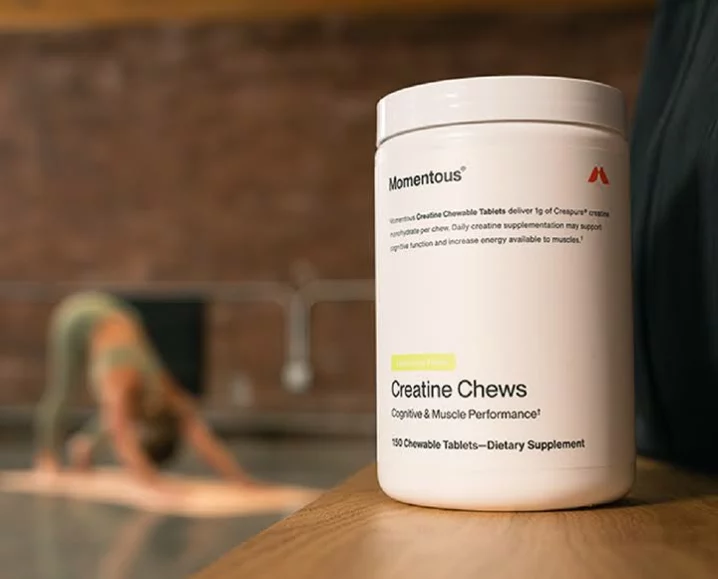
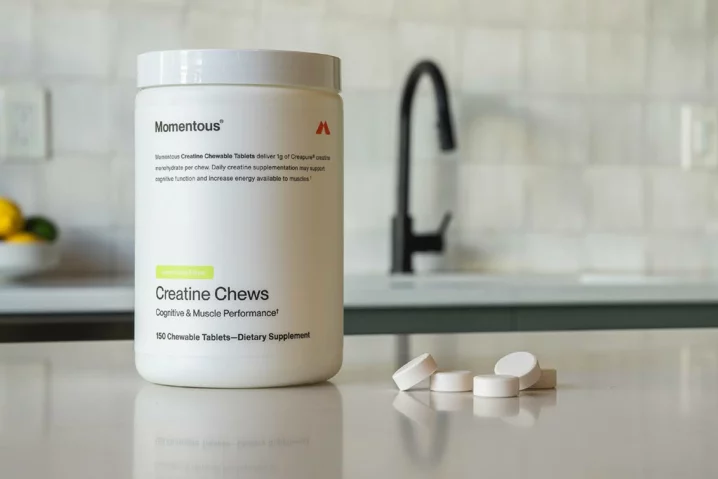
This is where Momentous fits in naturally, not because it is trendy, but because it is rigorous. Momentous formulates supplements to meet the testing standards required by professional sports leagues and Olympic programs, with clear labels and no proprietary blends. That level of scrutiny matters when you are taking something daily and trusting it to support your health long term.They also offer creatine in a chewable form, which makes it far easier to take without turning it into a whole production. No scoops. No mixing.

The Creatine Fine Print No One Talks About

Once you start looking into creatine, it gets confusing fast. Powders, gummies, chews, blends. Everything claims to be the best, and at a certain point it all starts to blur together.

What often gets overlooked is that while creatine itself is well studied, not all creatine products are made the same. The form matters, but so does the source. And within chewable formats, there’s an important distinction. Many products on the market are gummies, which often rely on added sugars, gelling agents, fillers, or reduced dosing to maintain texture and shelf stability. Chews, when thoughtfully formulated, offer a more functional alternative but only if they prioritize ingredient integrity and clinically meaningful doses rather than flavor alone.

This is where Momentous stands apart in a way that is easy to overlook but hard to ignore once you know it. Both their creatine powder and their creatine chews are made from the same Creapure® creatine monohydrate, sourced from Germany and tested for 99.9% purity. The ingredient does not change based on format, which is surprisingly rare.

In other words, you are not trading quality for convenience. The chew is not a watered-down version of the powder. It is the same clean, single-sourced creatine, just delivered differently. If powder works for you, great. If it does not, a chewable like Momentous Creatine Chews offers the same ingredient and effectiveness in a format that is simply easier to stick with.

Energy Without the Spike

When most of us think about energy, we think about caffeine. Creatine works differently.

Creatine helps your body recycle ATP, the fuel your cells use for movement, strength, and focus. When demand is high, ATP gets used quickly. Creatine helps replenish it so your body can keep producing energy without relying on stimulation.

That is why the effect feels steadier. Less buzz, less crash. Just more reliable energy during workouts, long days, and mentally demanding weeks.

The Cognitive Benefits Few People Talk About

One of the most overlooked aspects of creatine is its role in brain health.

Creatine is stored in the brain, where it supports energy availability for neurons. Research shows creatine supplementation can support working memory, processing speed, and mental clarity, particularly during periods of stress or sleep deprivation.

When sleep is short, the brain still needs energy but has less of it to work with. Creatine helps buffer that gap, which may explain why some people notice clearer thinking and less mental fatigue when they use it consistently.

Why Creatine Matters More As We Age

Muscle loss begins earlier than most women realize, often starting in the thirties. And while we often focus on how this looks, the bigger issue is how it feels.

As hormones shift during perimenopause and menopause, maintaining strength becomes more challenging, even for women who stay active. This is where creatine becomes less about pushing harder and more about holding onto what you already have. Research shows that when creatine is paired with resistance training, it can support strength and lean mass retention over time, helping the body stay capable, resilient, and strong in ways that matter day to day.

Why Five Grams Is the Sweet Spot

You will see five grams referenced repeatedly in creatine research for good reason.

Across decades of studies, three to five grams per day consistently supports creatine levels in both muscle and brain tissue. Five grams has emerged as a reliable benchmark because it is well studied, well tolerated, and effective across body sizes and sexes.

Each chew delivers one gram, which makes it easy to build up to the research backed amount without overthinking it. It is one of those small details that quietly makes life easier.

Why Momentous Is the Easy Yes

There is no shortage of creatine on the market, but much of it comes with tradeoffs. Lower doses for better taste. Extra sugar for texture. Fillers to make formats work. Momentous does not play that game.

They focus on clinically meaningful dosing, third party testing, and ingredient integrity across every format. The result is a creatine that feels grown up. Thoughtful. Reliable. The kind you do not have to second guess.

Momentous is not trying to make creatine exciting. They are trying to make it correct. And for women who care about what they put in their bodies and want something that simply works, that clarity makes all the difference.

For Chalkboard Mag readers ready to try creatine without overthinking it, Momentous is offering 35% off subscriptions or 14% off a one time purchase with code TCM at checkout.

All material on The Chalkboard Mag is provided for educational purposes only. Always seek the advice of your physician or other qualified healthcare provider for any questions you have regarding a medical condition, and before undertaking any diet, exercise or other health-related programs. This story is brought to you in partnership with Momentous. From time to time, TCM editors choose to partner with brands we believe in to bring our readers special offers

The post The Women’s Guide to Creatine You Didn’t Know You Needed appeared first on The Chalkboard.


from The Chalkboard https://ift.tt/uhgRqAH
via IFTTT